
In September 1915, German-Americans still perceived as lesser Americans
Here is the excellent Edmund von Mach again, speaking to the very issue we've been discussing here at cy.net, re our specific European ethnic identification, or lack of it. I was going to post an article or two about the “Money Trust” next, but when I read this I just had to post it first. Von Mach manages to stand up for what is German without ever seeming too partisan or un-American. He is quite a scrupulous character, while remaining honest and penetrating.-cy
v. 3 no. 8 September 29, 1915 Page 14
OPEN LETTER TO OSWALD GARRISON VILLARD
By Dr. Edmund von Mach, Author of “What Germany Wants”
Mr dear Mr. Villard:
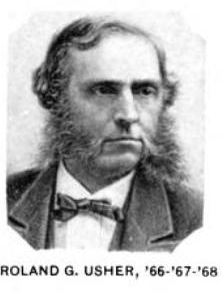 Prof. Roland G. Usher Declares the US is in a Coalition to Help England, France and Russia in Return for Concessions—Alliance Aimed to Crush Germany-Austria
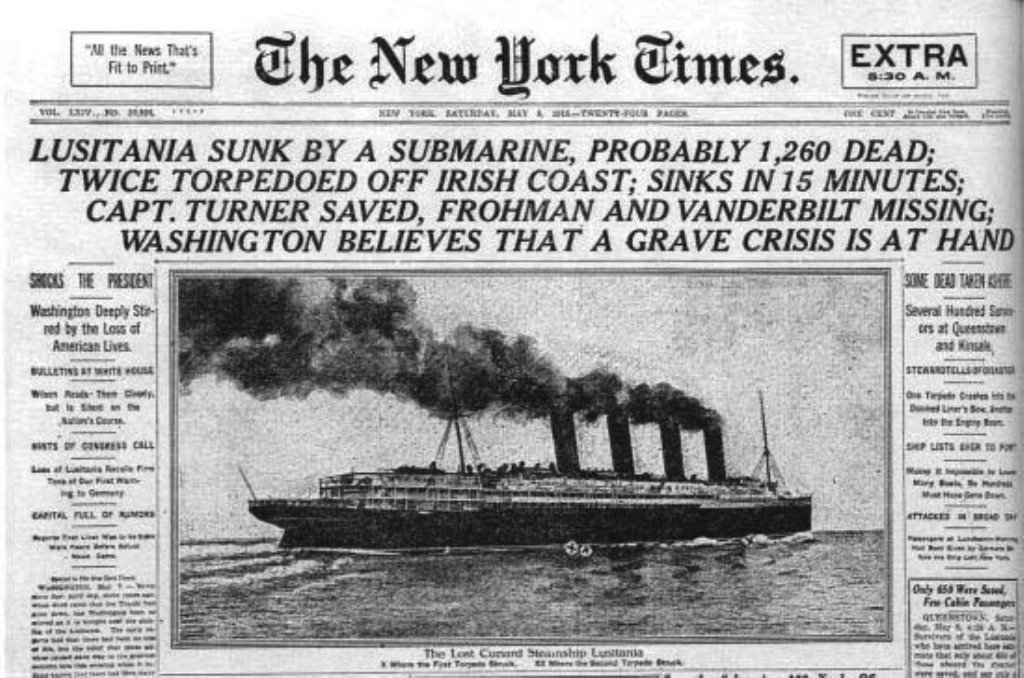
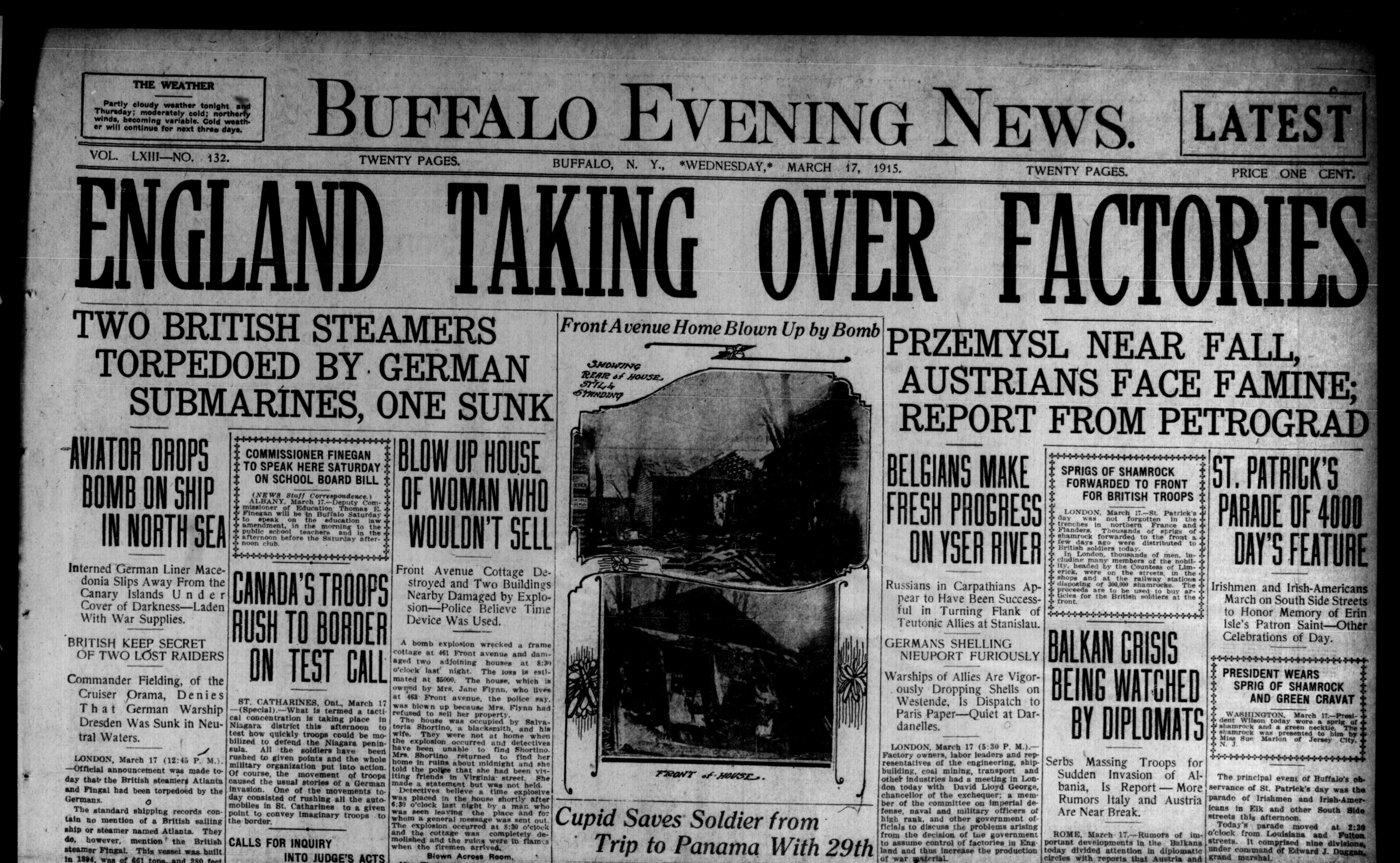
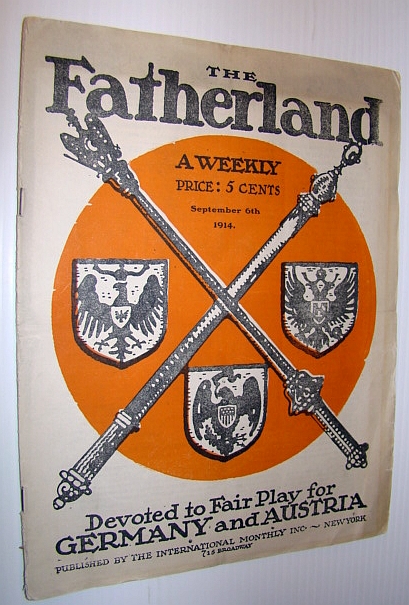
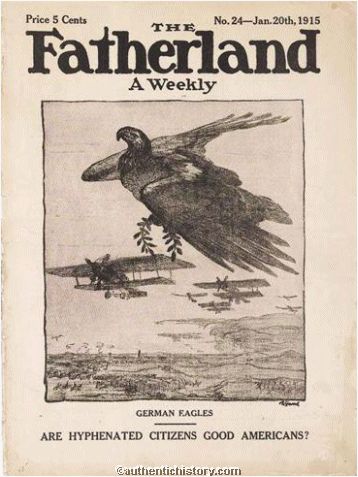 THESE FIRST FOUR ITEMS COME FROM the No. 26 issue of THE FATHERLAND newspaper, [No. 24 shown at left] meaning that after 26 consecutive weeks it was still going strong. Also going strong was discussion of the United States-declared 'Neutrality' in regards to the war raging in Europe. We know today that U.S. neutrality was a sham, but at the time those Americans who were not pro-England or pro-Russian were struggling to bring attention to the situation.
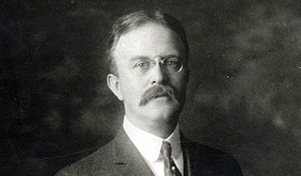
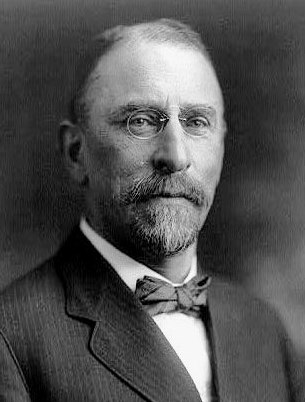 Ashkenazi Jew Henry Morgenthau Sr. (left) was part of Woodrow Wilson's administration in the important role of Ambassador to the Ottoman Empire at the time it was allied with Germany and Austria-Hungary … and his son, Henry Jr., became Franklin Roosevelt's Treasury Secretary (1934-45). Both were Democrat Party administrations. Grandchildren of Henry Sr. include Robert M. Morgenthau, District Attorney of Manhattan for 35 years and 'Pulitzer-prize-winning' historian Barbara W. Tuchman. THE FATHERLAND raises an interesting question about Amb. Morgenthau in 1914. -cy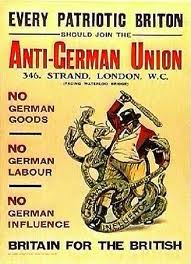
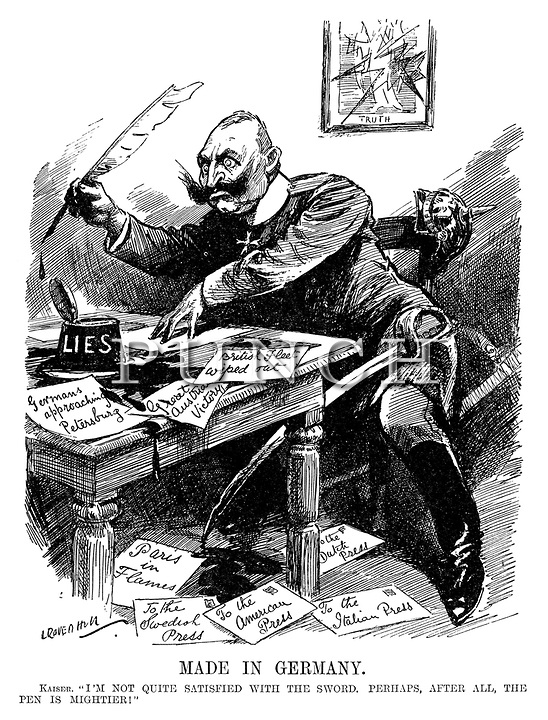
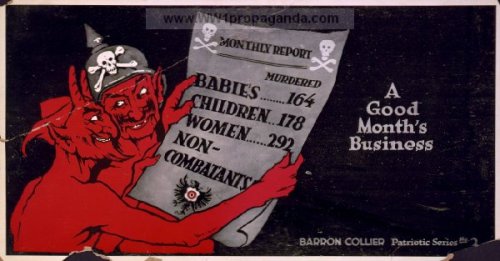
 MOST HAVE LEARNED BY NOW that the descriptions of atrocities carried out by German soldiers on Belgian and French civilians in the opening weeks of the Great European War were not true, were in fact British lies happily repeated by the press. But they were believed at the time, and these fictional atrocities were of the most gruesome kind—chopping off the hands of children, raping and bayoneting women, burning down churches and other buildings after locking civilians inside. The American newspapers carried these stories and a great many people believed them. It wasn't until after the war was over that Britain began to admit, under pressure of evidence to the contrary compiled by the German Foreign Office, that they were propaganda lies designed to gain the sympathy, and arouse the indignation, of the public—and most especially the Americans. However, there was never an official apology or correction.