

Searching for the roots of persistent anti-Germanism
By Carolyn Yeager
From acute hatred in 1914 to smoldering prejudice today, where did anti-Germanism start and why does it persist?
I cannot find any documentation of this phenomenon prior to the lead-up to World War I in the nineteenth century, and centered in the British Foreign Office. The image presented was of an exaggerated authoritarianism in both the German personality and culture.
Germans had always, up to then, been seen as a nation of “Poets and Thinkers” who were “disinclined to war,” acccording to Dr. Michael F. Conners in his book Dealing in Hate: The Development of Anti-German Propaganda. I have just now found Dr. Conners book online, as I am preparing to post this article, and will read what he has to say with interest ex post facto, as it were.
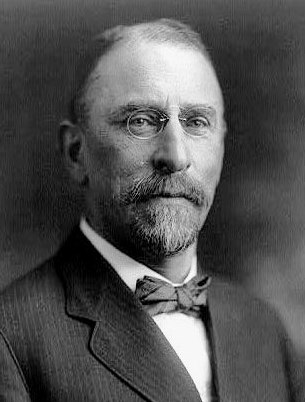 Ashkenazi Jew Henry Morgenthau Sr. (left) was part of Woodrow Wilson's administration in the important role of Ambassador to the Ottoman Empire at the time it was allied with Germany and Austria-Hungary … and his son, Henry Jr., became Franklin Roosevelt's Treasury Secretary (1934-45). Both were Democrat Party administrations. Grandchildren of Henry Sr. include Robert M. Morgenthau, District Attorney of Manhattan for 35 years and 'Pulitzer-prize-winning' historian Barbara W. Tuchman. THE FATHERLAND raises an interesting question about Amb. Morgenthau in 1914. -cy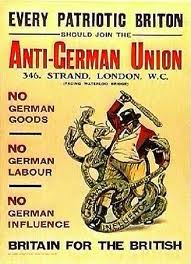
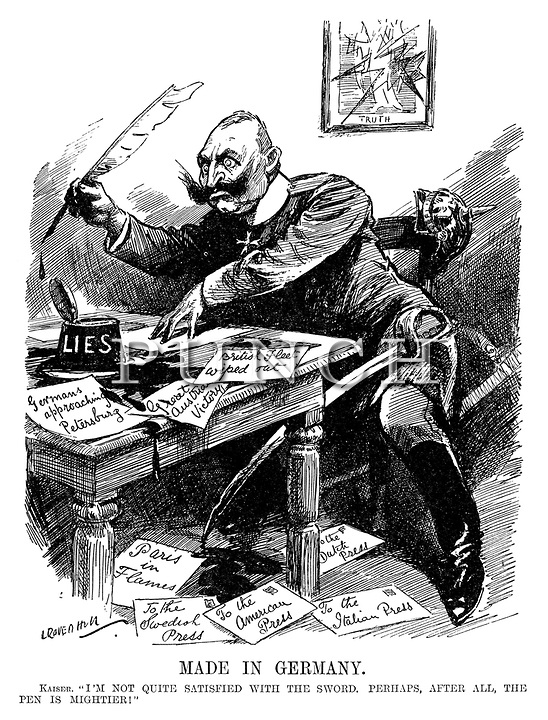
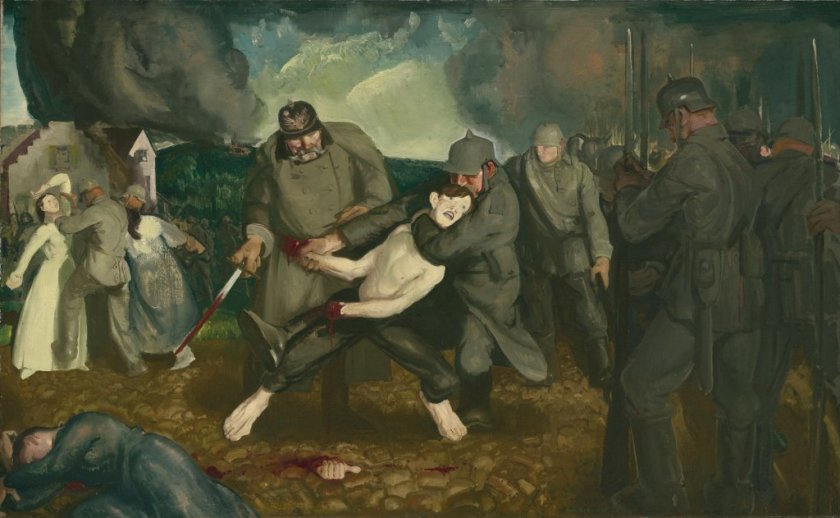
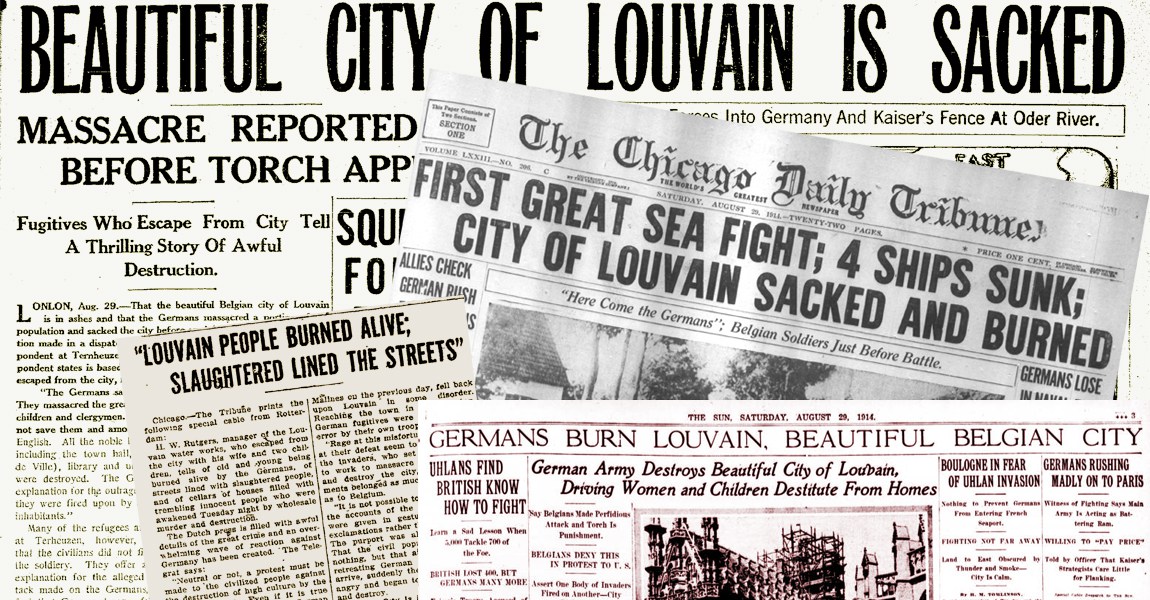
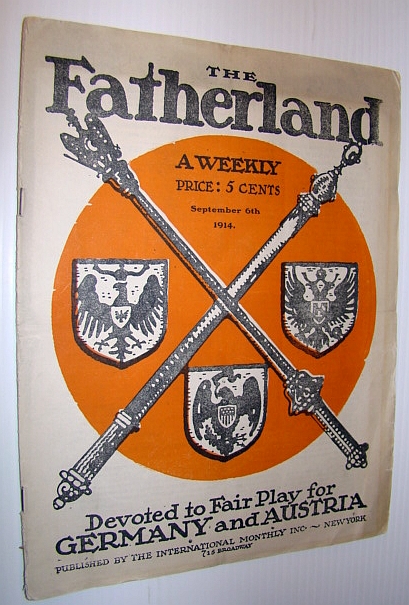 MOST HAVE LEARNED BY NOW that the descriptions of atrocities carried out by German soldiers on Belgian and French civilians in the opening weeks of the Great European War were not true, were in fact British lies happily repeated by the press. But they were believed at the time, and these fictional atrocities were of the most gruesome kind—chopping off the hands of children, raping and bayoneting women, burning down churches and other buildings after locking civilians inside. The American newspapers carried these stories and a great many people believed them. It wasn't until after the war was over that Britain began to admit, under pressure of evidence to the contrary compiled by the German Foreign Office, that they were propaganda lies designed to gain the sympathy, and arouse the indignation, of the public—and most especially the Americans. However, there was never an official apology or correction.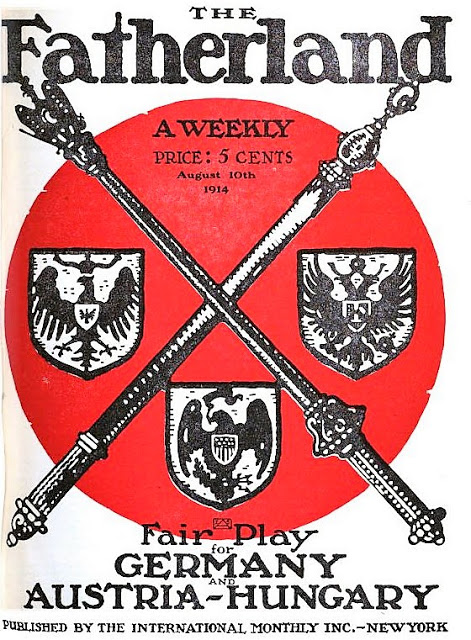
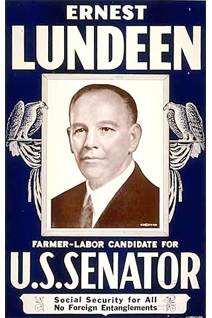 MY FRIEND WOUTER SENT ME THE ARTICLE BELOW ABOUT ERNEST LUNDEEN, an American “isolationist” politician from Minnesota who had a fair-minded and truth-seeking attitude toward the German-Polish conflict and the war of September 1939. Through Lundeen, I've learned about a couple others who are also of particular interest to me.