
The Heretics' Hour: World War I Lies
THH_8-25-14_WWI Lies_6724141.mp3
(30.52 MB)
August 25, 2014
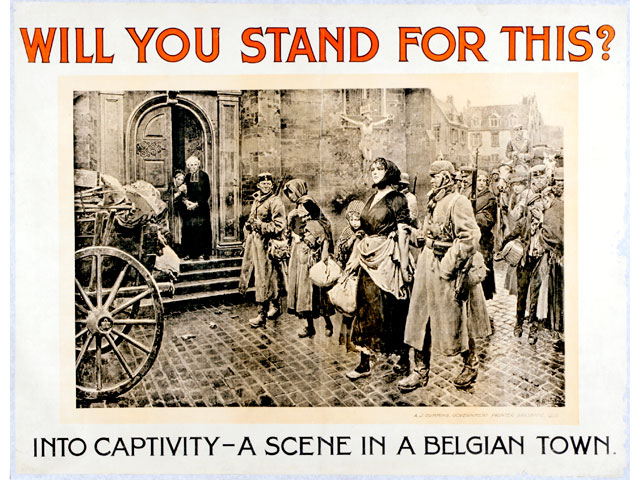
Continuing with the theme of the 100th Anniversary of World War I (1914-2014), Carolyn Yeager focuses on the transparancy of the accusations of barbarism and drunkenness on the part of the German soldier in Belgium. In the second hour, who is telling the most lies in the current Ukraine war is discussed. Highlights include:
- The theme of the Germans "descending from their past high culture to the level of barbarians" is repeatedly used by the Allies, thus the fire that destroyed much of the world-famous library at Louvain (Leuven) is played up;
- Most of the stories recounting atrocities are by nameless people, and were later rebuked as false by authorities;
- Gottlieb von Jagow, German minister of State, wrote that the fire broke out after explosion of a convoy of benzine, which was caused by shots fired during the battle with the illegal civilian shooters;
- Photograph fakery, both in the form of false captions and in the more sinister creation of fake scenes, events, etc. are much more common than people realize - some examples given;
- The suppression and/or ommision of parts of the content of diplomatic reports and/or telegram messages was common;
- Of the nations, Russia was the most extreme in lying, followed by France;
- The pro-Russian separatists in eastern Ukraine and the Putin govt. are using lies as a strategy, meaning they have no shame about it and don't really expect to be believed;
- Bill Finck writes an article in which he compares the situation in today's Russia with the United States in the 1950's, when the undermining of the White majority began.
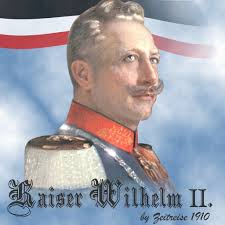 With Guest
  The current year 2014 is the centenary (100th anniversary) of the start of what came to be called the First World War, called "The Great War" before WWII. To learn how and why this war took place, Carolyn goes to two sources: Thomas Dalton's "
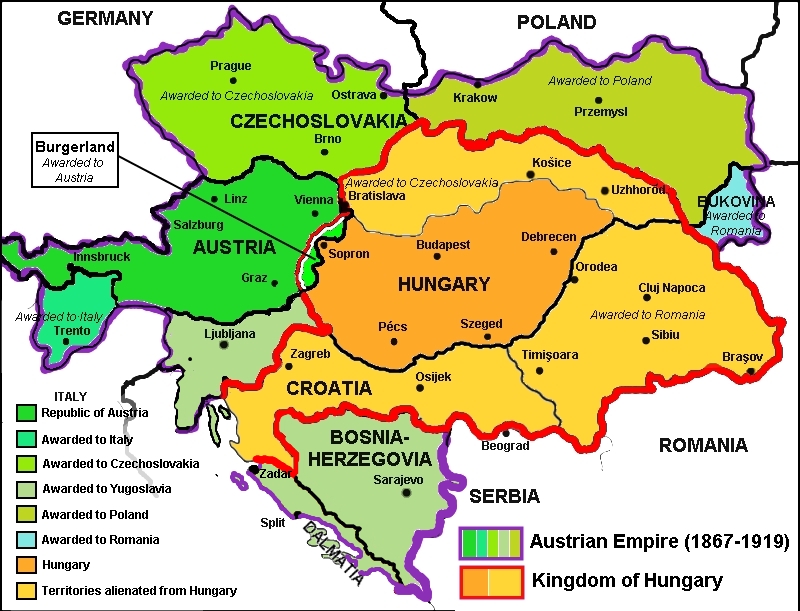 Two treaties from WWI that are overshadowed by the Treaty of Versailles, which the Germans of 1920 were forced to sign, were the Treaty of Saint-Germain between the Allied Powers and Austria, and the Treaty of Trianon between the Allies and Hungary. Some highlights: