

President Trump led in rejecting UN Global Migration Pact—Hungary and now Austria follow
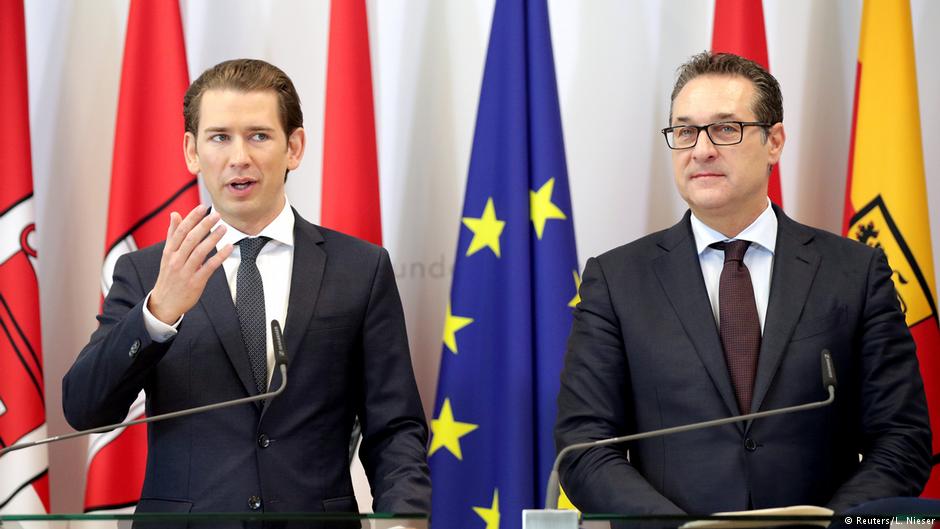
Austrian chancellor Sebastian Kurz (left) and vice-chancellor HC Strache announce they are following in the footsteps of leaders from the United States and Hungary by a decision not to sign the UN Migration Compact in December.
By Carolyn Yeager
THE UN MIGRATION COMPACT FOR SAFE, ORDERLY AND REGULAR MIGRATION was approved in July by all 193 UN members except the United States. Later Victor Orban of Hungary said he would not sign the final document, which signing ceremony is to take place in Marrakesh, Morocco in December. Now Sebastian Kurz, chancellor of Austria, has announced that his country has decided not to sign it and will not send a representative to Morocco for the event. Poland is also indicating that it will probably decide the same.
The compact, which calls mass migration “inevitable, necessary, and desirable,” is made up of 23 goals, some of which definitely infringe upon the sovereignty of first world nations. Austria, in making its Oct. 31 announcement said that 17 of those goals are unacceptable to its government, led by Kurz's conservative Peoples Party in coalition with vice-chancellor Hans-Christian Strache's populist Freedom Party.


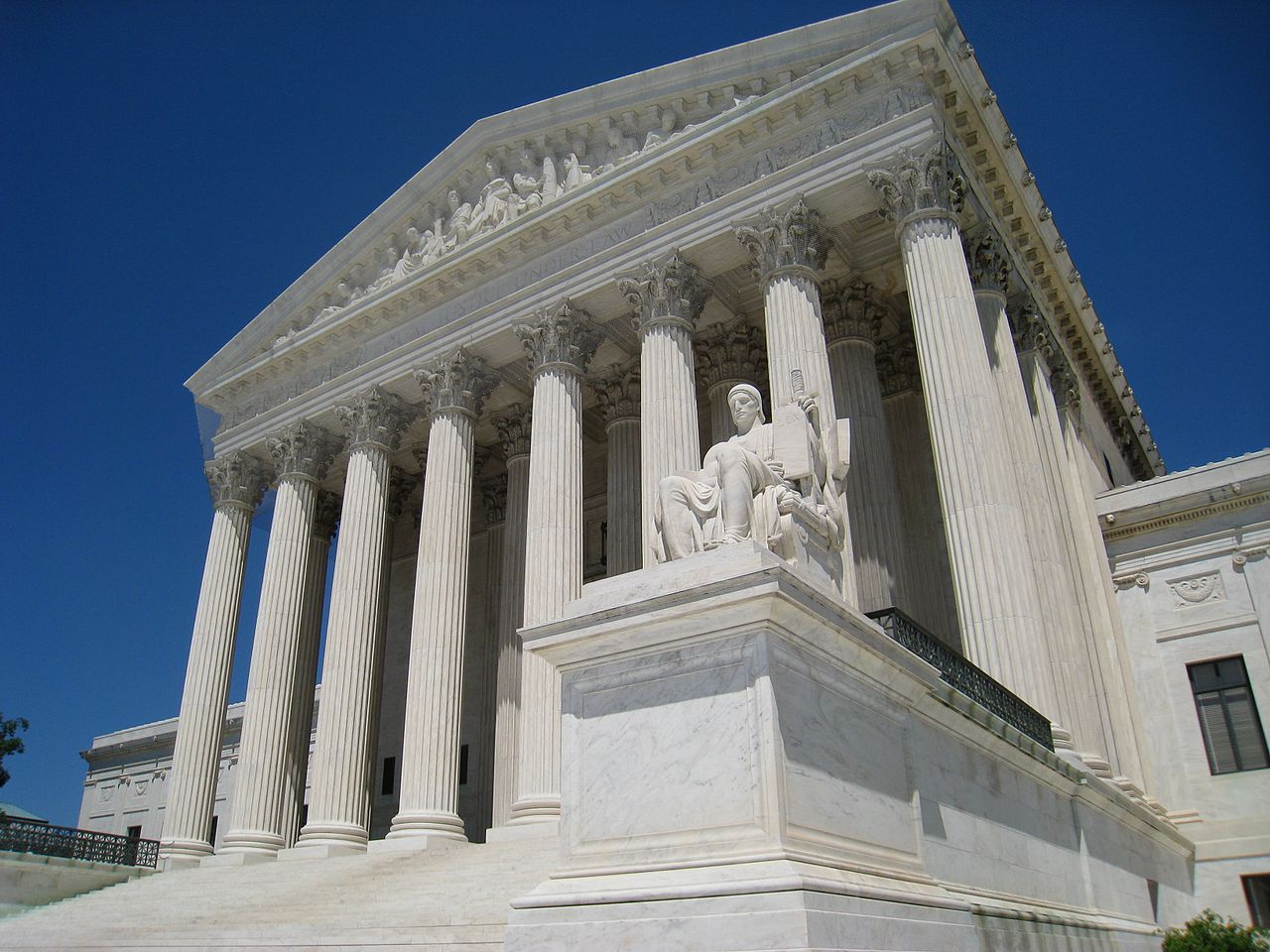 MUCH OF WHAT THE AMERICAN PUBLIC HAS BEEN TOLD ABOUT BIRTHRIGHT CITIZENSHIP IS WRONG. The Immigration Reform Law Institute (IRLI) recently filed a friend-of-the-court brief in Fitisemanu v. United States, a case of birthright citizenship currently before the U.S. District Court for the District of Utah. [...] The brief examined the overarching matter of birthright citizenship. Namely, does the Fourteenth Amendment to the Constitution grant automatic citizenship to children born in the U.S. to parents who are not U.S. residents, or who are in the country without permission? The findings may well topple conventional wisdom about one of the crown jewels of the left's immigration agenda.