By Carolyn Yeager
THE KEY TO UNDERSTANDING ADOLF HITLER'S BEHAVIOR AS A PEACE AND WAR LEADER lies in this sentence, quoted by Hermann Giesler from August 1943, after the devastating air attack on Hamburg. Hitler said, recalling his decision not to attack the remaining British troops at Dunkirk in 1940:
It didn't agree with my character to step on the one who lays on the ground.
He saw the British as essentially defeated, and that they must themselves recognize that fact. He followed up with this: “After awhile I had to rethink. I was mistaken—magnanimity will not be recognized. What you see there [in photos of the Hamburg victims] is destructive brutality. Again and again one tries not to believe this, now I know—no mercy.” (p50 in The Artist Within The Warlord, from which all the quotes here are taken.)
But character is not changed by events. Decisions may be made against one's own character, but it is not easy or natural. Adolf Hitler was resolute, firm in his opinions and beliefs; he could be hard when necessary, but he was not ruthless, as were his adversaries. There were lines he would or could not cross.
Stalin, Churchill and Roosevelt were all prepared to carry out whatever acts they thought would get them closer to their goal—unconditional victory. They brought into play the darkest of black ops, and had no regard for their own soldiers apart from public opinion – the perception the public had of them as leaders.
Adolf Hitler never intended to utterly destroy anything, except for Bolshevism. He wanted to negotiate with other nations, to make deals that freed Germany from the Versailles Dictate and gave her respect and a high standing in the world again. He seems to have genuinely believed others were reasonable because war was such an unthinkable prospect after the recent Great War in which he had been a participant. But if reason was not followed, then he was prepared to use the greater persuasive power of strength and even limited force of arms. But from everything he says according to Hermann Giesler's memoir, ruthlessness was not among his attributes or his options.
There are plenty out there who find that lack of ruthlessness a grave failing in Hitler, and the reason Germany was ultimately decimated. They may be right. They probably are right. All the winners were ruthless and they have gotten away with it in the official history so far because they won. They were devious, dirty and without scruples or conscience. Do we really wish Hitler had been the same because our 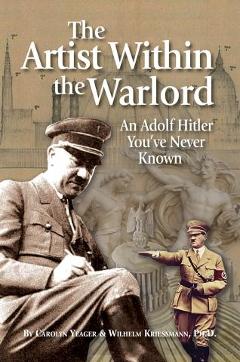 THE SECOND EDITION of race realist and nationalist views coincide with his? After consideration, I for one don't, but in any case, wishing doesn't change anything. I want to understand Hitler, not try to prop up a false idol. So I am going to share in this essay what I've discovered about the personality of Adolf Hitler as revealed by Giesler in his book Ein Anderer Hitler (Another Hitler), that also shines through in our English translation from that book, titled The Artist Within the Warlord.