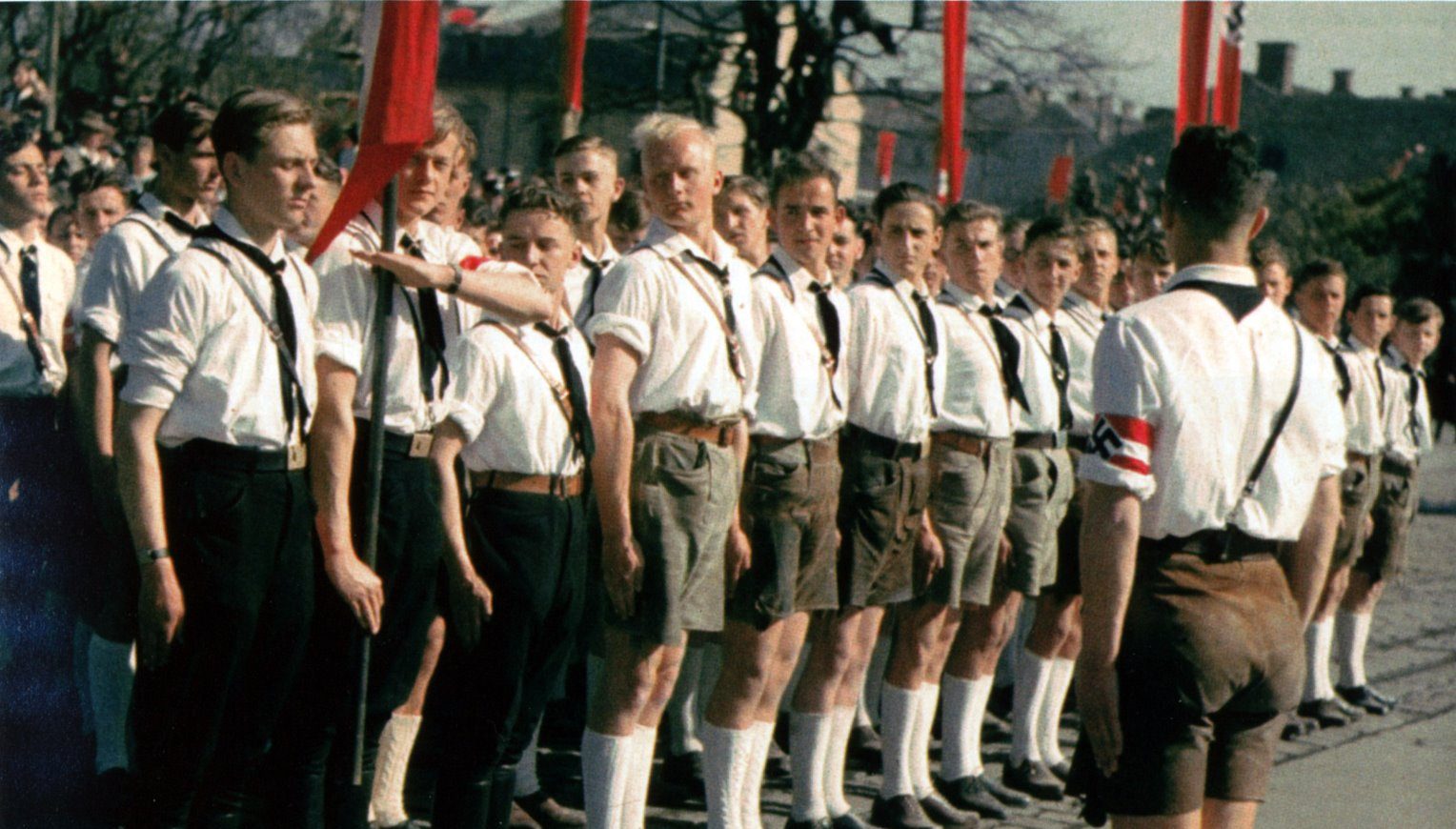
From the Handbook for Schooling the Hitler Youth
Chapter Two: The German Races (for Chapter One, see here)
Introduction: The material in the following Handbook series comes from a booklet of material assembled specificially for Hitler Youth leaders. It was arranged by Fritz Bennecke (ed.) into a book titled Vom deutschen Volk und seinem Lebensraum. Handbuch für die Schulung in der HJ, ("The German people and their habitat. Manual for the training in the HJ", Munich: Franz Eher, 1937). Paul Gierlichs is listed as Bearbeiter.
This was translated to be printed and sold in England. For this English language volume, the title was inexplicably changed to "The Nazi Primer," a book that can be purchased from most book sellers today.
Chapter One titled The Unlikeness of Men, more of an introduction, can be found in my previous post here. The word men at the time represented both males and females – no gender-political correctness then. It emphasized the fourth point of the NSDAP program: Only those who are comrades of our folk can be citizens of the state. Only those who are of German blood, irrespective of religious belief, can be comrades of our folk. Consequently no Jews can be comrades of our folk. -cy
* * *
THIS MUCH LONGER CHAPTER (two) gives the students an overview of the various “races” that make up the German people – their people. There are six distinct groups described, ranging from the 'Nordic,' the largest which makes up approximately 50% of the population, to the 'Western' making up only 2%. In between, from greater to lesser, are the 'Eastern', the 'Dinaric', the 'East Baltic' and the 'Phalic.'
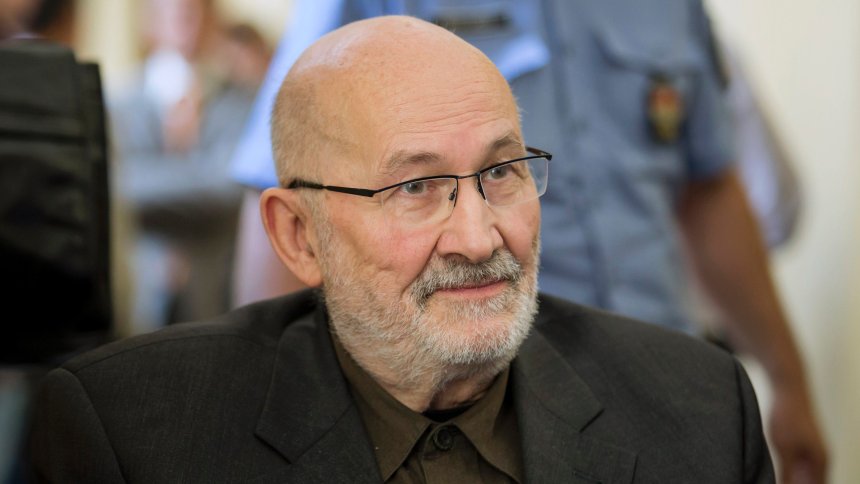
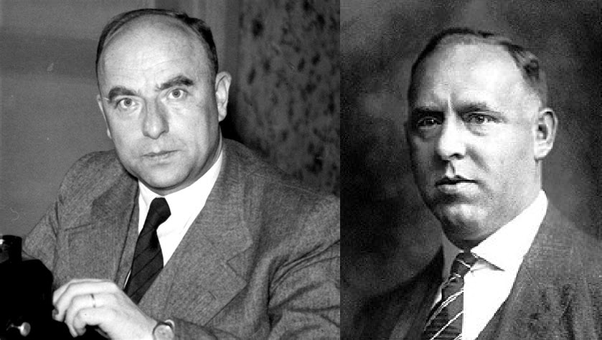
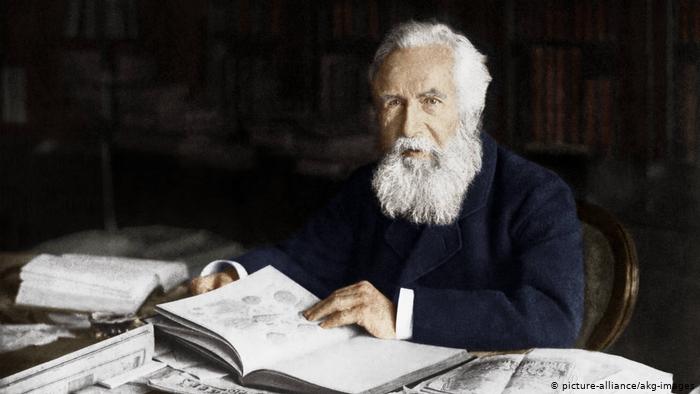
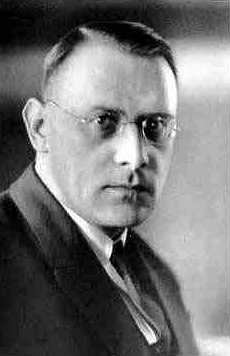
From Hans F. K. Gunther's (pictured left) book Rassenkunde des deutschen Volkes (1933), it is quoted:
A race is a collection of individuals differentiated from every other group by its unique combination of bodily characteristics and soul attributes and continually reproduces its own kind.
The students were taught that pure races of people scarcely exist today. Individuals have everywhere intermingled. Many people in Europe have preserved above all the Nordic character; others the Western, or Eastern, or East Baltic and so forth. Since man is body, mind and soul, the mental and spiritual characteristics are considered along with physical structure.